

Wearable system engineers continuously seek superior display tech for modern smart wristwear. Furthermore, modern wearable hardware demands full lead-free compliance (RoHS) and strict environmental standards. Therefore, integrating an optimal AMOLED for smart watch screen is vital. Consequently, advanced self-emissive display panels dramatically elevate visual texture and touch responsiveness.
Critical Pain Points in Smart Wearable Display Applications
Traditional smartwatch wearers frequently encounter frustrating visual limitations in outdoor environments. First, standard LCD screens suffer from backlight bleed in dark environments. As a result, dark watch faces appear washed-out gray rather than deep black. Consequently, low visual contrast degrades ambient interface readability and battery life severely.
Second, conventional flat glass displays restrict ergonomic wristwear design options. Furthermore, rigid screens create uncomfortable wrist friction during continuous daily wearing. Consequently, users experience awkward physical fit during intense fitness tracking routines. Therefore, bulky rigid hardware compromises overall ergonomic comfort and aesthetic appeal.
Third, multi-layer screen assemblies cause noticeable parallax and slow touch response. Specifically, thick touch layers degrade touch sensitivity during rapid fingertip swipes. Moreover, heavy glass covers add unnecessary weight to lightweight smart bands. Thus, modern wearable terminals require flexible display technology with low latency.
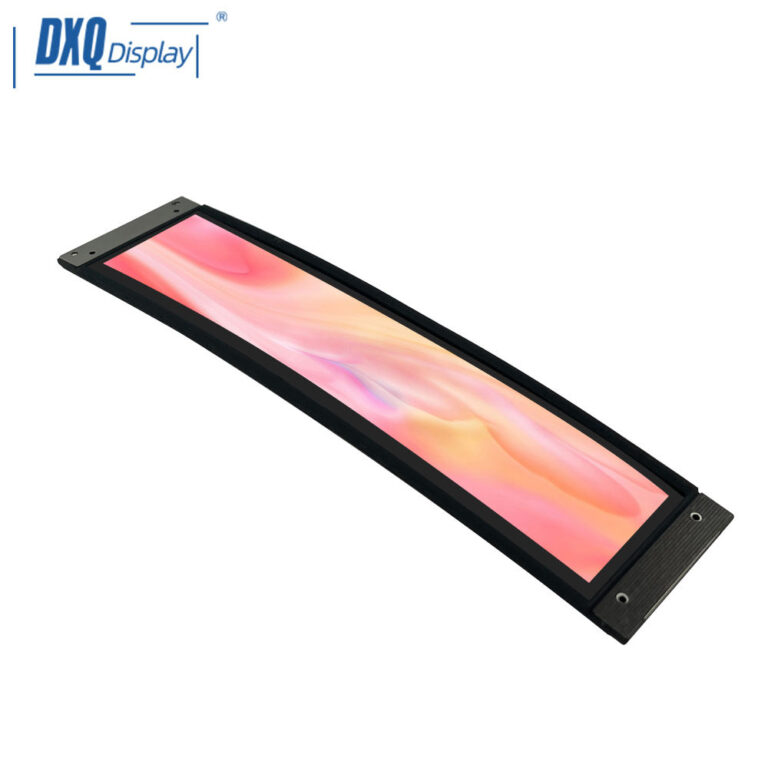
Advanced Technical Innovations in Wearable AMOLED Modules
Ultra-High Contrast Ratio and Pure Self-Emissive Blacks
Our 4.01-inch bar-type AMOLED flexible display achieves an outstanding 17500:1 contrast ratio. Furthermore, independent self-emissive pixels eliminate gray backlight leakage entirely. Therefore, black scenes remain pure and deep while bright colors stay vivid. Consequently, light and dark text details appear sharp, layered, and three-dimensional.
Flexible Substrate for Ergonomic Wrist Integration
The screen adopts a flexible AMOLED substrate with excellent bending performance. Moreover, it adapts perfectly to curved wearable device bodies without planar limits. Consequently, the display matches natural wrist curvature for superior ergonomic fit. Furthermore, lightweight thin materials reduce overall device weight for effortless wearing comfort.
Integrated Oncell Capacitive Touch Technology
Advanced Oncell capacitive touch functionality integrates touch sensors directly onto the panel. Furthermore, this streamlined structure reduces display thickness while boosting optical clarity. As a result, interface transitions feel remarkably smooth and highly responsive. Consequently, users enjoy intuitive touch control across audio-visual and fitness applications.
High-Speed MIPI Interface for Low-Power Data Transmission
Equipped with a high-speed MIPI interface, the display ensures rapid data transmission. Furthermore, efficient signaling reduces signal latency during dynamic UI animations. Consequently, live workout metrics and notification streams render without dropping frames. Therefore, smart bands and wrist terminals deliver instantaneous interactive feedback continuously.
To view our complete product range, please browse our product category catalog now.
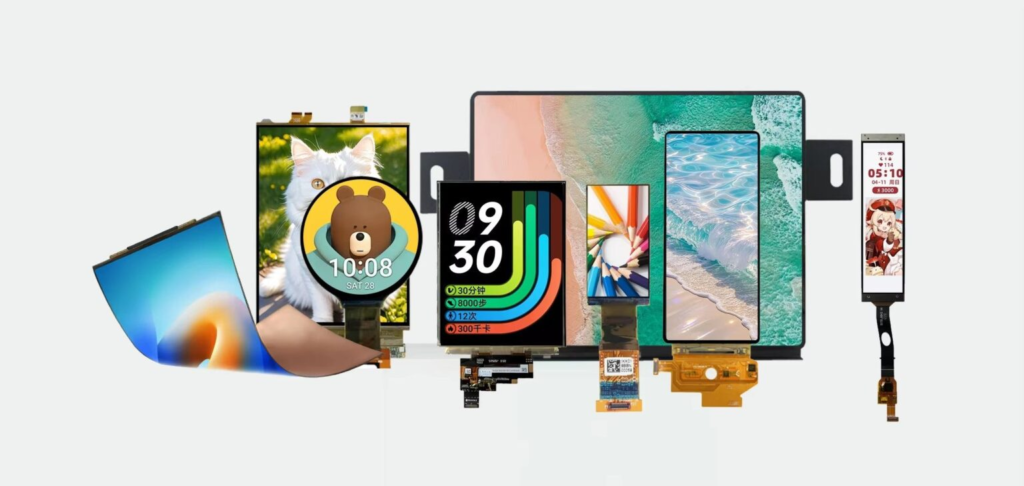
Technical Parameters and Compliance Comparison
Selecting verified flexible AMOLED screens ensures long-term display durability and international compliance. Below is a detailed parameter breakdown for our 4.01-inch bar-type module.
| Technical Parameter | Specification Detail | Industry Compliance / Certification |
| Screen Type & Form Factor | 4.01-Inch Flexible Bar-Type AMOLED | RoHS Lead-Free Compliance |
| Contrast Ratio | 17500:1 Ultra-High Contrast | CE / FCC Certified Standard |
| Touch Integration | Oncell Capacitive Touch Function | ISO 9001 Quality Certified |
| Display Interface | High-Speed MIPI Interface | REACH Environmental Standard |
| Flexibility & Fit | Bendable Substrate for Curved Wristwear | ESD Protection Standard (IEC 61000-4-2) |
| Target Applications | Smartwatches, Smart Bands, AR Glasses | Wearable Ergonomic Standards |
Wearable Application Scenarios and Value Delivery
Flexible AMOLED screens transform user interaction across diverse lightweight wearable verticals. Specifically, curved smartwatches achieve seamless wrist wrapping without awkward chassis gaps. Furthermore, high contrast ratios ensure clear reading during fast outdoor running. Consequently, active fitness users track health metrics effortlessly in bright sunlight.
Moreover, bar-type smart bands benefit tremendously from long flexible display geometry. Specifically, slender form factors display multi-line health data and notifications simultaneously. Furthermore, smooth Oncell touch capabilities enable fast horizontal and vertical swipes. Therefore, compact health trackers provide rich user interfaces without added bulk.
In addition, smart glasses and wrist-worn industrial terminals demand ultra-lightweight components. Furthermore, MIPI connectivity minimizes power consumption during extended remote field operations. Consequently, industrial workers operate hands-free devices reliably throughout long shifts. Thus, flexible AMOLED solutions unlock immense value for next-generation wearables.
FAQ
Q1: How does AMOLED tech improve smartwatch battery life compared to LCD?
AMOLED pixels emit light individually without requiring continuous backlight units. Therefore, dark interface themes consume minimal electrical power during daily use. Consequently, always-on display modes operate efficiently while extending total battery life.
Q2: What advantages does Oncell touch offer for flexible wearable displays?
Oncell touch places capacitive sensors directly on the flexible outer glass layer. Furthermore, it eliminates heavy external glass layers and thick optical adhesives. Consequently, it yields thinner display profiles, higher transparency, and instant touch accuracy.
Q3: Can flexible AMOLED displays withstand repeated wrist bending and daily wear?
Yes, flexible AMOLED displays utilize highly durable polyimide substrates instead of glass. Furthermore, engineered structural layers absorb mechanical stress during repeated wrist flexing. Consequently, screens maintain flawless visual performance across demanding daily wear cycles.
Q4: Why is a bar-type aspect ratio ideal for smart bands and wrist terminals?
Bar-type display ratios match natural wrist anatomy and narrow strap contours. Furthermore, elongated screens showcase long data lists and notification text cleanly. Consequently, users read complete messages easily without excessive screen scrolling effort.




Add comment