
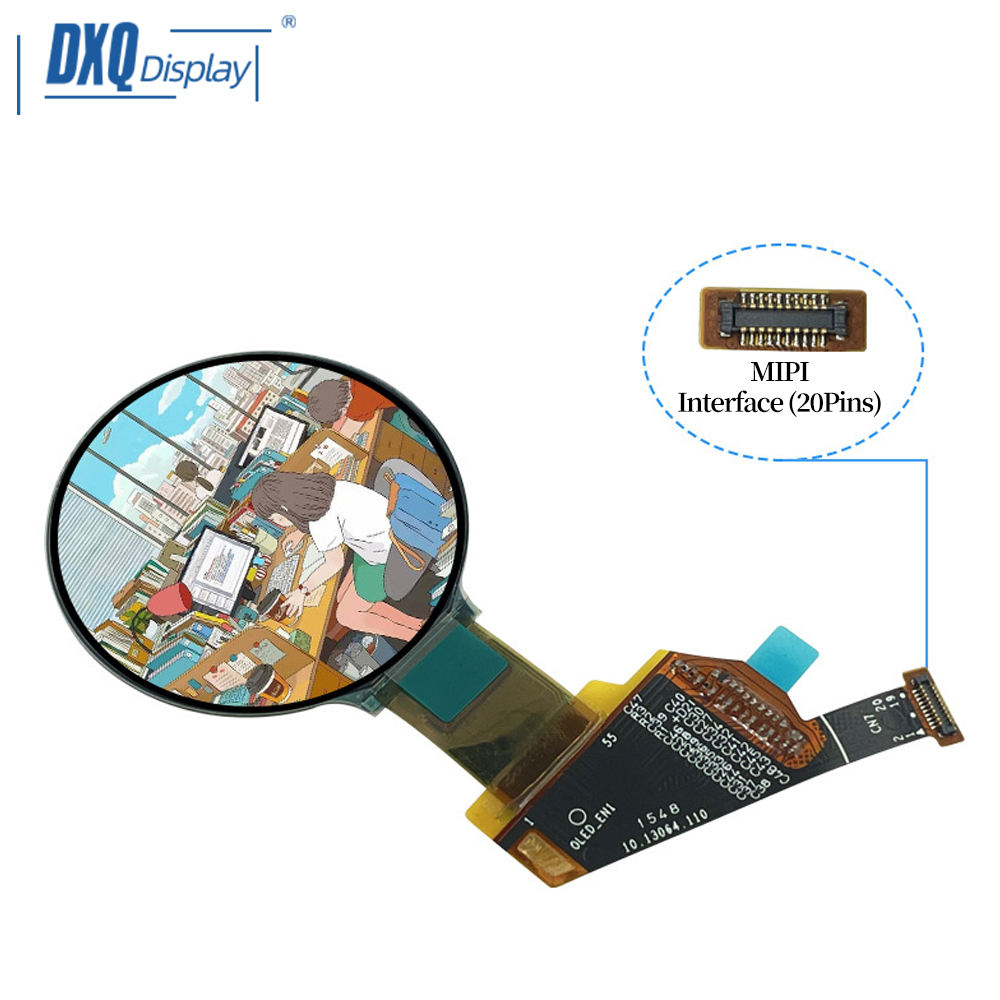
A Round AMOLED Display combines circular screen design with vivid colors, high contrast, and compact integration. For wearable brands and electronics manufacturers, selecting the right round OLED display involves more than comparing prices. Buyers should assess display quality, interface compatibility, mechanical dimensions, and production consistency. Additionally, reliable sample support and transparent lead times help reduce procurement uncertainty. This guide explains how B2B buyers can evaluate manufacturers and select suitable display modules.

How Can You Evaluate Round AMOLED Display Quality?
Small circular screens must present icons, text, watch faces, and data clearly. Therefore, resolution and pixel density matter when designing compact wearable interfaces. At the same time, contrast and color reproduction influence the overall user experience.
Check Resolution, Contrast, and Color Performance
The WJ014ZE-02A features a 1.39-inch flexible AMOLED display. Its resolution reaches 400 by 400 pixels, with a stated pixel density of 287 pixels per inch. These specifications support detailed watch faces and compact information layouts.
The module also offers a contrast ratio of 10,000 to one. Its rated brightness reaches 300 candelas per square meter. Consequently, designers can evaluate it for indoor use, everyday wearables, and other controlled-lighting environments.
However, brightness requirements vary by product. Outdoor devices may need additional visibility testing under direct sunlight. Buyers should also request color-gamut measurement data before specifying color-critical applications.
Explore our display product category to review available modules for wearable electronics.
Which Flexible Display Design Suits Your Product?
Smartwatches, fitness bracelets, and compact terminals often require space-efficient components. Meanwhile, curved enclosures can introduce additional mechanical constraints. Therefore, buyers should assess the display structure alongside the external product design.
Verify Dimensions and Substrate Requirements
The WJ014ZE-02A uses a flexible AMOLED structure. Its outline measures 38.6 by 40.5 millimeters. Meanwhile, its active area measures 35.4 by 35.4 millimeters.
The module has a stated thickness of 1.095 millimeters? Buyers should not assume this value, because the supplied specification does not provide a thickness measurement.
Although the flexible substrate may support certain curved designs, it does not guarantee compatibility with every curved enclosure. Confirm the permitted bending radius and assembly restrictions with the manufacturer.
For custom wearables, request mechanical drawings before finalizing the housing. This step helps engineering teams check clearances, support structures, and connector placement.

How Do You Confirm Interface and System Compatibility?
A display must communicate correctly with the device’s main board. Therefore, interface specifications deserve attention before prototype development. Otherwise, teams may need extra engineering work during integration.
Review the MIPI Interface and Connector
The WJ014ZE-02A uses a Mobile Industry Processor Interface connection. It also features a twenty-four-pin connector. These specifications provide a starting point for hardware compatibility checks.
However, connector pin count alone does not confirm electrical compatibility. Buyers should request the complete pinout, signal requirements, initialization sequence, and supported driver information.
For wearable devices, verify the display controller and host processor together. Additionally, test the intended operating system and graphics pipeline. These checks help confirm that the module supports the required interface behavior.
Review our technical guide for further display integration considerations.
How Can You Assess Manufacturing Reliability and Supply?
A suitable display must meet engineering requirements and purchasing schedules. Therefore, B2B buyers should examine sample quality, inspection procedures, and production planning. These factors matter when moving from prototypes to repeat orders.
Check Samples, Lead Times, and Quality Controls
The listed minimum order quantity is two pieces. Sample lead time is seven days. Mass production typically requires twenty-five to thirty days, according to the supplied product information.
These terms allow buyers to plan initial evaluation and subsequent purchasing. However, actual schedules may vary with order quantities, customization, and component availability.
Before placing a bulk order, request details about incoming material checks and final display testing. Also, clarify dead-pixel criteria, cosmetic standards, packaging, and warranty coverage.
A dependable supplier should explain its quality process clearly. Furthermore, buyers should request sample inspection records and confirm the consistency standards for repeat batches.

Which Specifications Matter Most in Supplier Comparison?
A low quotation does not always represent the best overall value. Instead, compare performance, compatibility, supply terms, and technical support. A structured review helps buyers balance quality with budget requirements.
Compare the Key Product Specifications
| Evaluation Item | WJ014ZE-02A Specification | Buyer Verification |
|---|---|---|
| Display type | Flexible AMOLED | Confirm substrate and assembly limits |
| Screen size | 1.39 inches | Match enclosure dimensions |
| Resolution | 400 by 400 pixels | Check interface readability |
| Pixel density | 287 pixels per inch | Confirm source specification |
| Brightness | 300 candelas per square meter | Evaluate target lighting conditions |
| Contrast ratio | 10,000 to one | Request test conditions |
| Interface | Mobile Industry Processor Interface | Confirm host compatibility |
| Connector | Twenty-four pins | Request pinout documentation |
| Operating temperature | Minus twenty to sixty degrees Celsius | Match the intended environment |
| Storage temperature | Minus thirty to seventy degrees Celsius | Check shipping and storage conditions |
| Certifications | Not specified | Request applicable compliance documents |
| Minimum order quantity | Two pieces | Confirm current terms |
The product description also lists a 100 percent color gamut. However, it does not identify the color space or measurement method. Therefore, buyers should request supporting data before using this figure as a purchasing benchmark.
For better cost control, compare sample pricing, volume discounts, customization charges, and production lead times. Also, confirm long-term availability before adopting the module for an established product line.
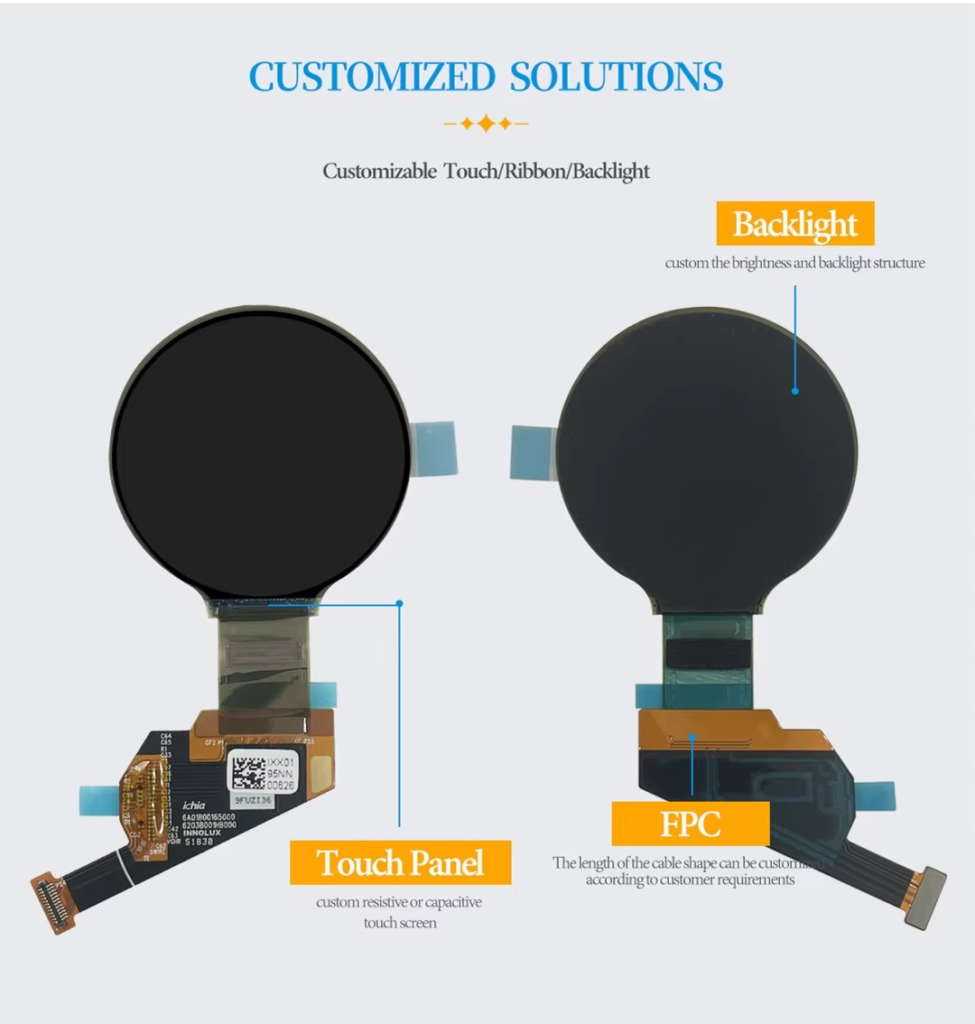
Choose a Manufacturer That Supports Your Roadmap
Finding a reliable Round AMOLED Display manufacturer requires both technical review and supplier evaluation. First, check image quality and dimensions. Next, confirm interface compatibility and mechanical constraints. Finally, review quality controls, documentation, and supply arrangements.
For smartwatch brands, wearable developers, and electronics distributors, the WJ014ZE-02A offers a defined specification set for evaluation. Contact the manufacturer to discuss samples, customization requirements, volume pricing, and production planning. A clear specification review can help your team select a practical display solution with competitive purchasing value.




Add comment