
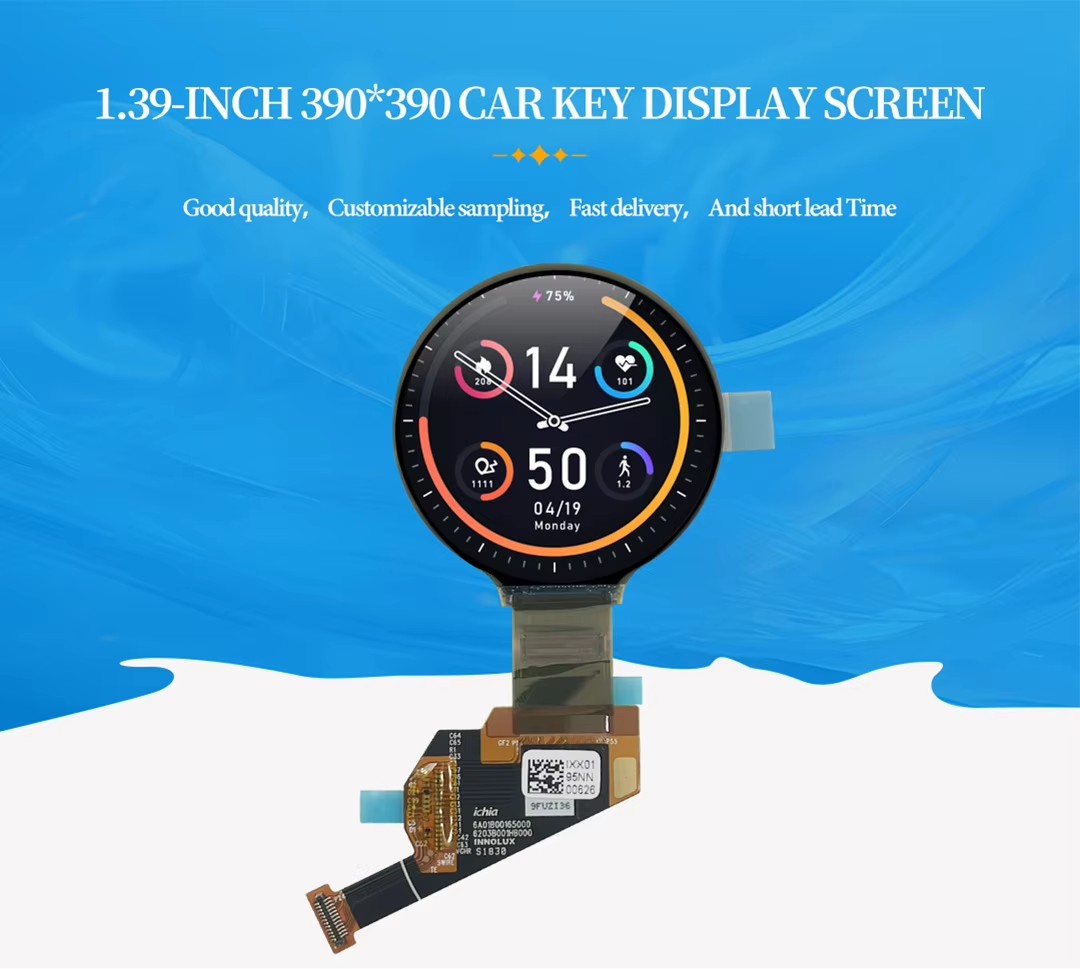
Choosing a Wearable Flexible Display Screen requires careful evaluation of resolution, flexibility, power consumption, and interface compatibility. For B2B buyers, a suitable flexible AMOLED display should meet product design requirements while supporting reliable procurement and competitive costs. Moreover, engineers must consider mechanical integration and long-term supply before approving a display module.
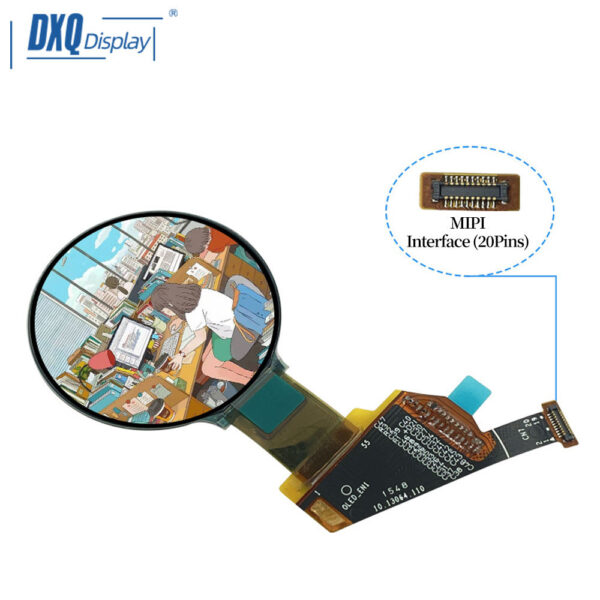
The WJ014ZE-02A is a 1.39-inch round AMOLED display designed for smartwatches and other compact wearable devices. It combines 400 by 400 pixel resolution with a flexible substrate and MIPI interface. Consequently, it offers practical integration options for manufacturers developing lightweight, visually refined electronic products.
How Does Resolution Affect Wearable Display Quality?
Smartwatches and fitness bracelets have limited display areas. Therefore, pixel density plays an important role in presenting icons, text, scales, and health data.
Why choose a 400 by 400 pixel flexible AMOLED display?
The WJ014ZE-02A provides 400 by 400 pixels and a specified density of 287 pixels per inch. This combination supports detailed watch faces and compact user interfaces.
Moreover, the round display format suits circular watch housings. Engineers can organize time indicators, notification icons, and data curves around the available display area. As a result, designers can create interfaces that fit wearable products naturally.
The module also uses OLED self-emissive technology. Each pixel generates its own light, eliminating the need for a conventional backlight. Consequently, the display supports deep blacks and a specified contrast ratio of 10000:1.
For B2B manufacturers, these characteristics help support clear interface presentation in compact devices. However, actual readability still depends on font size, viewing conditions, and interface design.
Can a Wearable Flexible Display Screen Fit Curved Designs?
Traditional smartwatch structures often impose strict space constraints. Meanwhile, wearable manufacturers increasingly explore curved housings and lightweight product profiles. Therefore, substrate flexibility deserves attention during the initial design stage.
How does the flexible substrate support product integration?
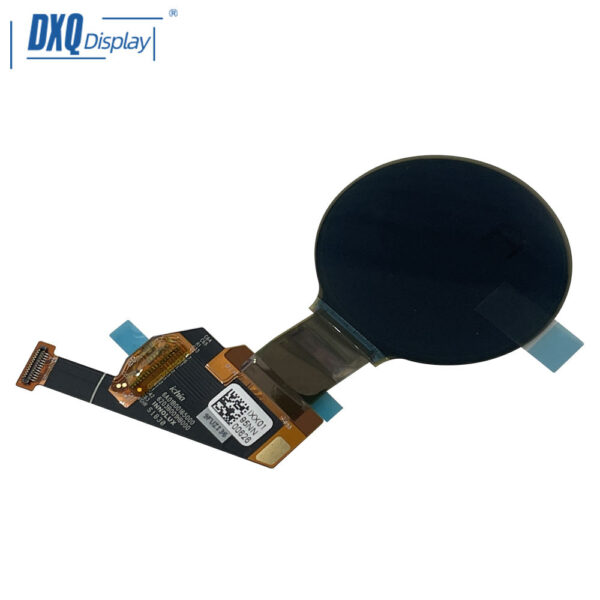
The WJ014ZE-02A uses a flexible polyimide substrate. Its slightly bendable structure can accommodate certain curved internal assemblies. However, engineers should confirm the permitted bending radius and installation method with the supplier.
The module measures 38.6 by 40.5 millimetres externally. Its active display area measures 35.4 by 35.4 millimetres. These dimensions help engineers evaluate enclosure clearances and display placement early.
Furthermore, the module suits smartwatches, fitness bracelets, health-monitoring wearables, and portable display terminals. Specialized applications may also include compact circular instruments and customized digital devices.
Explore wearable display modules
Before selecting a module, compare its outline dimensions with your housing drawings. Also, verify the connector position, assembly tolerances, and any bending restrictions. These checks help reduce unnecessary redesign during prototyping.
How Do Brightness and Color Performance Affect Wearable Displays?
Wearable devices operate under different lighting conditions. For example, users may check notifications indoors, outdoors, or during exercise. Therefore, buyers should evaluate brightness and contrast against the intended environment.
Which optical specifications should buyers review?
The WJ014ZE-02A specifies a brightness of 300 candelas per square metre. This rating provides a starting point for evaluating display visibility. However, outdoor readability also depends on reflections, cover glass, and ambient illumination.
Additionally, the specified contrast ratio reaches 10000:1. OLED self-emissive pixels support dark backgrounds and high visual contrast. Consequently, watch faces can display bright indicators against darker interface elements.
The product information also states 100 percent color gamut coverage. However, the listing does not identify the reference color space. Buyers should therefore request the applicable color gamut standard and supporting measurement data.
For premium wearable products, these details help teams evaluate interface appearance more systematically. In addition, sample testing allows buyers to assess color consistency and visual performance before production approval.
How Can Buyers Verify Technical Compatibility?
A display may meet visual requirements yet need further engineering validation. Therefore, procurement teams should verify electrical, mechanical, and software compatibility before ordering.
Which interface and operating conditions matter?
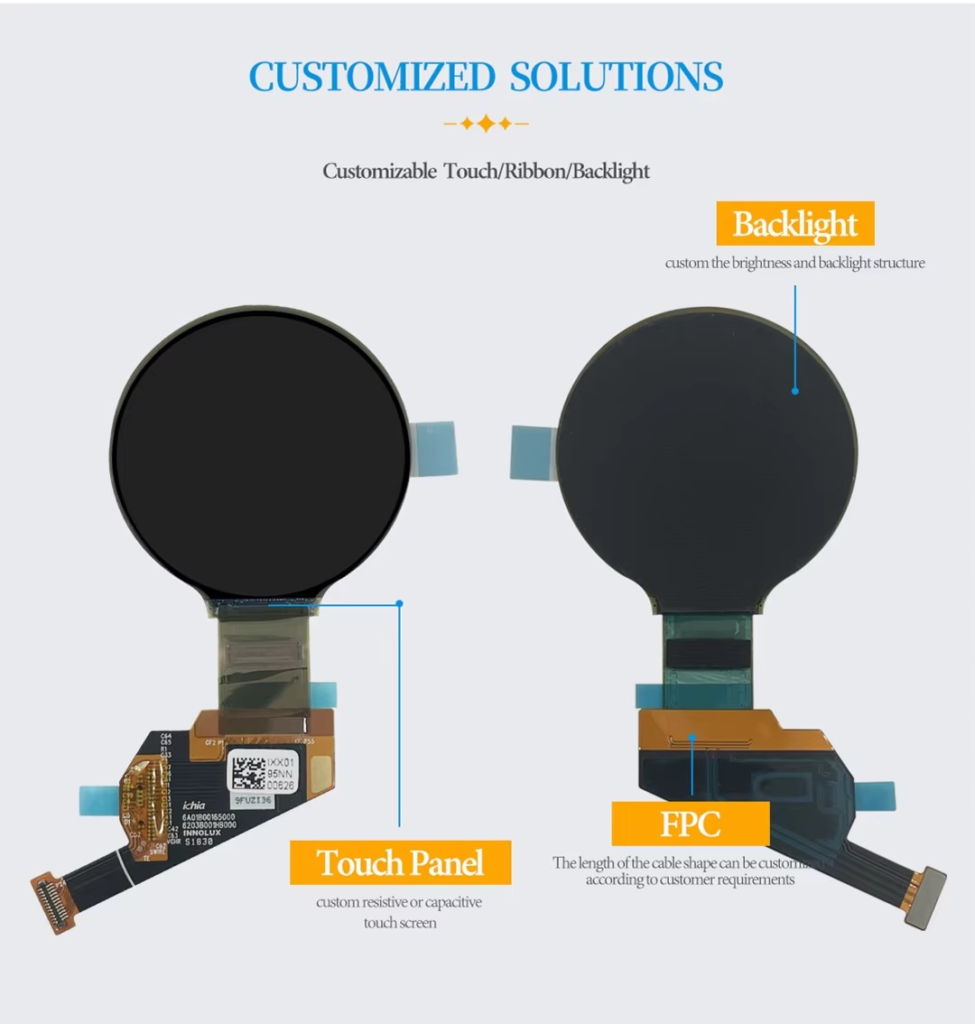
The WJ014ZE-02A lists a MIPI interface and a 24-pin connector. Engineers should confirm the host controller, signal mapping, initialization sequence, and driver requirements.
The product name references the RM67162 driver IC. However, the supplied specifications identify WJ014ZE-02A as the module model. Buyers should confirm the exact driver IC and interface configuration in the final datasheet.
The specified operating temperature ranges from minus 20 to plus 60 degrees Celsius. Its storage range extends from minus 30 to plus 70 degrees Celsius. These limits provide useful references for environmental qualification.
Nevertheless, device-level validation remains essential. Engineers should evaluate temperature performance, assembly stress, and operating stability under representative conditions.
Read the display integration technical guide
How Can B2B Buyers Balance Quality and Procurement Costs?
For wholesale projects, product suitability and purchasing flexibility both influence total costs. Therefore, buyers should assess sample availability, production timing, and supply terms together.
What purchasing details should manufacturers confirm?
The WJ014ZE-02A has a listed minimum order quantity of two pieces. This allows buyers to evaluate samples before committing to larger orders.
The specified sample lead time is seven days. Meanwhile, mass production typically requires 25 to 30 days. Buyers should confirm these schedules against their project milestones before placing orders.
| Evaluation item | WJ014ZE-02A details | Buyer consideration |
|---|---|---|
| Display format | Round flexible AMOLED | Check housing compatibility |
| Resolution | 400 by 400 pixels | Validate interface readability |
| Pixel density | 287 pixels per inch | Review graphics and text |
| Brightness | 300 candelas per square metre | Test intended lighting conditions |
| Interface | MIPI | Confirm host compatibility |
| Operating temperature | Minus 20 to plus 60 degrees Celsius | Validate the device environment |
| Minimum order quantity | Two pieces | Plan prototype procurement |
| Sample lead time | Seven days | Confirm current availability |
| Mass production lead time | 25 to 30 days | Align purchasing schedules |
Furthermore, request applicable quality inspection records and material compliance documents. The supplied product information does not specify particular certifications. Therefore, confirm required standards and supporting evidence before procurement approval.
For larger projects, also discuss production consistency, packaging, customization options, and forecast planning. These steps help buyers assess overall value instead of focusing only on the initial unit price.
Q&A: Choosing a Wearable Flexible Display Screen
Q: Is the WJ014ZE-02A suitable for smartwatches?
A:Yes. Its round format, 400 by 400 pixel resolution, and compact design support smartwatch applications.
Q: Can it fit curved wearable structures?
A:Its flexible substrate supports certain curved assemblies, subject to bending and installation limits.
Q: What interface does it use?
A:The listed interface is MIPI, with a 24-pin connector. Confirm the final electrical specifications before integration.
Q: How can buyers reduce procurement risks?
A:Request samples, verify technical documents, and evaluate application-specific performance.
Q: What is the minimum order quantity?
A:The listed minimum is two pieces, with a seven-day sample lead time. For B2B sourcing, this Wearable Flexible Display Screen offers a practical starting point for compact wearable designs.




Add comment